.
.
最好的作者,是那羞於成為作家的人。
— 尼采
.
.
.
2009.05.21 Thursday

.
.
最好的作者,是那羞於成為作家的人。
— 尼采
.
.
.
2009.05.21 Thursday
Where No Man Has Gone Before
.
The show’s cultural influence goes far beyond its longevity and profitability. An entire subculture grew up around the show and, anecdotally, there are indications that Star Trek has influenced many people’s lives. This is apparent from the reported testimonials of people, such as scientists and engineers, who claim that their professional and life choices were influenced by Star Trek.
— Wikipedia, on the cultural influence of Star Trek
.
.
.
2009.05.20 Wednesday
.
Good friends are like stars — you don’t always see them, but you know they are always there.
—
.
.
.
2009.05.19 Tuesday
.
窈窕淑女
君子好逑
求之不得
輾轉反側
.
.
.
2009.05.18 Monday
.
軀體在人睡眠時進入麻痹狀態是一個必要的過程,以避免人在做夢時對軀體進行真正的移動。當身體已經在這個階段,但腦的一部分還處於完全工作狀態時,會發生睡眠癱瘓。睡眠癱瘓常伴有恐慌發作,因為人還處於有意識的狀態。同時伴隨聽覺和視覺上的幻覺,對於睡眠癱瘓也是很典型的,然後漸漸進入「夢境」。通常還會有「假醒」,即人醒過來,發現自己原來還在夢裡,現實中也還在睡眠。這樣的「假醒」通常會多次重複,伴隨的還有來自於對這種無終止重複的恐懼。通常是可以打斷這種重複與麻痹的,如通過試着對小指的移動等。
.
— 維基百科
.
.
.
2009.05.17 Sunday
.
You are unique, just like everyone else.
—
.
.
.
2009.05.16 Saturday
.
* We’re in a freefall into future. We don’t know where we’re going. This are changing so fast, and always when you’re going through a long tunnel, anxiety comes along. And all you have to do to transform your hell into a paradise is to turn your fall into a voluntary act. It’s a very interesting shift of perspective and that’s all it is… joyful participation in the sorrows and everything changes.
.
— Joseph Campbell
.
.
.
2009.05.15 Friday
.
Be who you are and say what you feel because those who mind don’t matter and those who matter don’t mind.
— Dr. Seuss
.
.
.
2009.05.13 Wednesday
.
人出世, 受了苦, 然後死了.
.
— 破惘
.
.
.
2009.05.12 Tuesday
PART ONE: The Adventure of the Hero
Chapter I: Departure
* 1. The Call to Adventure
The adventure begins with the hero receiving a call to action, such as a threat to the peace of the community, or the hero simply falls into or blunders into it. The call is often announced to the hero by another character who acts as a “herald”. The herald, often represented as dark or terrifying and judged evil by the world, may call the character to adventure simply by the crisis of his appearance.
* 2. Refusal of the Call
In some stories, the hero initially refuses the call to adventure. When this happens, the hero may suffer somehow, and may eventually choose to answer, or may continue to decline the call.
* 3. Supernatural Aid
After the hero has accepted the call, he encounters a protective figure (often elderly) who provides special tools and advice for the adventure ahead, such as an amulet or a weapon.
* 4. The Crossing of the First Threshold
The hero must cross the threshold between the world he is familiar with and that which he is not. Often this involves facing a “threshold guardian”, an entity that works to keep all within the protective confines of the world but must be encountered in order to enter the new zone of experience.
.
.
Chapter II: Initiation
* 6. The Ultimate Boon
The hero is now ready to obtain that which he has set out, an item or new awareness that, once he returns, will benefit the society that he has left.
.
.
Chapter III: Return
* 1. Refusal of the Return
Having found bliss and enlightenment in the other world, the hero may not want to return to the ordinary world to bestow the boon onto his fellow man.
* 4. The Crossing of the Return Threshold
The hero returns to the world of common day and must accept it as real.
* 5. Master of the Two Worlds
Because of the boon or due to his experience, the hero may now perceive both the divine and human worlds.
* 6. Freedom to Live
The hero bestows the boon to his fellow man.
.
.
— Wikipedia, on The Hero with a Thousand Faces
.
.
.
2009.05.11 Monday
The time-traveling is just too dangerous. Better that I devote myself to study the other great mystery of the universe: women!
— Doc Brown
.
.
2009.05.09 Saturday
.
Q: Is quantum mechanics physics?
A: No.
Q: Is quantum mechanics mathematics?
A: No.
Q: So, what is quantum mechanics?
A: It is a lifestyle.
.
— PHY5410 Quantum Mechanics II
.
.
.
2009.05.08 Friday
.
.
中道,簡單而言是不苦不樂(不追求痛苦、不追求快樂)的修行方法。
中道的最初靈感,是佛陀在長期苦行苦修後卻覺得一無所獲,而在近河的地方打坐時,聽到河船上的人唱?:「琴弦太鬆、太緊都無法彈出悅耳的聲音。」佛陀以此進行推思,凡夫俗子追求慾望、快樂,死後將墜入地獄,而苦行僧的森林苦行雖可在死後生為天人,得到比人世間更好的快樂,但福報用盡也依然要離開天界,再次輪迴,因此認為不該在苦樂中計較,以不追求痛苦、不追求快樂的方式修行,才有可能擺脫生老病死與六道輪迴。
.
— 維基百科
.
.
.
2009.05.06 Wednesday
.
1998 Following
2000 Memento
2002 Insomnia
2005 Batman Begins
2006 The Prestige
2008 The Dark Knight
.
.
.
2009.05.05 Tuesday
.
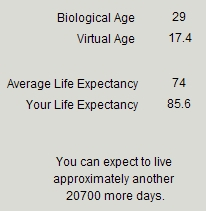
重點: 我仍然是17歲.
休息一年, 去專心讀書,
令我身心回到17歲.
.
.
如果我仍然在中學教書的話,
我的身心可能已經變成37歲.
.
.
不如這樣吧:
以後每教兩年, 休一年.
.
.
.
2009.05.02 Saturday
.
People have a way of becoming what you encourage them to be — not what you nag them to be.
–S.N. Parker
.
.
If people are expected to behave well, they tend to; and vice versa.
— Paul Graham
.
.
The best teachers I remember from school had three things in common:
(1) They had high standards. Like three year olds testing their parents, students will test teachers to see if they can get away with low-quality work or bad behavior. They won’t respect the teachers who don’t call them on it.
— Paul Graham
.
.
.
2009.05.01 Friday
機械人
.
.
溫書溫到變咗隻機械人,
希望下星期可以變返做人.
.
.
.
2009.04.30 Thursday
.
Gradually I learned to be indifferent to myself and my deficiencies;
I came to centre my attention increasingly upon external objects:
the state of the wold,
various branches of knowledge,
individuals for whom I felt affection.
.
— Bertrand Russell’s The Conquest of Happiness p.14
.
.
.
2009.04.28 Tuesday
.
花了很多時間,
費了不少心機,
背了大量公式.
導致精神恍惚.
也只能寄望合格.
.
今晚的考試很難.
.
.
.
2009.04.27 Monday
.
想出去逛逛.
不過, 有太多筆記背, 太多數計.
.
.
.
2009.04.25 Saturday





You must be logged in to post a comment.