.
.
2024.11.21 Thursday (c) All rights reserved by ACHK

.
.
2024.11.21 Thursday (c) All rights reserved by ACHK
Comments on Dialect’s Newton vs. Mach: The Bucket Experiment
1.1 In dialectphilosophy, the author claimed that acceleration is not really absolute, because measuring its value within a physical system actually requires your prior knowledge about the world and the initial calibration of the accelerometer.
While the point is correct, it is irrelevant here, because it is not what the original “acceleration is absolute” refers to.
In other words, the statement “acceleration is absolute” is with respect to Galilean transformation. It is not with respect to every kind of transformation. Confusing these two meanings is a major bug of @dialectphilosophy.
1.2 Actually, calibration is a process that lets you define what “acceleration is zero” means in terms of physical phenomenon. In other words, you decide under what condition that you should set the accelerometer reading to zero.
1.3 Note that it is always the case that you have to define the value of a physical quantity in terms of a state of the measuring device. That is exactly what “calibration” means.
1.4 More fundamentally, it is just the normal process of defining new words. We define new words either in terms of other words or in terms of physical phenomena.
2. Even though the value of acceleration, and thus also the answer to “whether the acceleration is zero”, is relative to the accelerometer calibration, the answer to “whether the acceleration is increasing, decreasing, or constant” is not.
— Me@2023-08-07 05:56:31 AM
.
.
2024.02.20 Tuesday (c) All rights reserved by ACHK
1. Velocity is by definition relative because displacement is by definition relative.
2. Even for either coordinate (

3.1 Furthermore, even for the origin itself, it is relative in a sense. When you choose a point as the origin of the coordinate system, you have to choose a static point. However, “whether a point is static or not” is subjective for different observers.
3.2 In other words, to be an origin, it has to be the same physical location. However, whether the physical location is the “same” could be up to debate.
— Me@2024-02-03 01:43:32 PM
.
.
2024.02.03 Saturday (c) All rights reserved by ACHK
Velocity is relative in the following sense:
Subjective value of an objective velocity changes under Galilean transformation. Different inertial observers would see different velocity values.
Acceleration is absolute in the following sense:
Subjective value of an objective accelerative remains unchanged under Galilean transformation. Different inertial observers would see identical acceleration values.
The proof:
In other words, the statement “acceleration is absolute” is with respect to Galilean transformation. It is not with respect to every kind of transformation. Confusing these two meanings is a major bug of @dialectphilosophy.
.
Note that Galilean transformation, like many other “transformations”, is conceptual, linguistic, mathematical, logical, coordinate, subjective, but not objective, nor physical, because the two observers are seeing the same underlying physical event.
— Me@2024-01-23 12:12:23 PM
.
.
2024.01.24 Wednesday (c) All rights reserved by ACHK
@dialectphilosophy, 1.3.4
.
…
The key point is that the observer within the car can see the separation changes among some objects, including the car itself, within the car.
Besides seeing the separation changes, the observer can also feel the acceleration directly within his body. The feeling of force is also due to the separation changes, but among points of his body.
How come a free falling frame is equivalent to an inertia frame? In other words, if acceleration is really absolute, how come a free falling observer cannot feel the acceleration?
Short answer: Acceleration is absolute in general, but not in all cases. What is absolute are the particles’ positions relative to each other in a physical system.
Long answer:
For two free falling objects, if they start to fall at the same time, they have equal initial velocities. Then, according to the equation

the displacements of them are always the same. So their separation is always constant.
For the two objects, their displacements are

If
,
, and
, then
. As a result, their separation remains unchanged.
Note that the separation would remain unchanged only if
1. the acceleration is uniform (in space) so that 
2. both initial velocities have an identical value, i.e. 
So what really is absolute is not acceleration, but the separation changes among points seen by the observer within the physical system. Let us label “the separations among points” as “the spatial configuration”, or as an even simpler term: “the shape of the physical system”.
— Me@2023-12-06 11:06:23 AM
— Me@2023-12-24 05:58:54 PM
.
.
2024.01.10 Wednesday (c) All rights reserved by ACHK
Eternal return, 3 | Can it be Otherwise? 3
.
Eternal recurrence is not a useful concept.
If two periods of time are identical in all details, they are actually the same period, not two periods. If two periods of time are not identical in all details, the second period is not an “eternal return” of the first period.
— Me@2013-06-04 01:30:16 AM
.
「自由命定問題」的意思是問:
同一個輸入,會否只有唯一的輸出?
簡化地問:
同因是否必同果?
詳細地問:
如果第二次實驗的,所有初始設定,和第一次的完全相同的話,第二次實驗的結果,會不會和第一次的,完全相同呢?
— Me@2023-09-14 12:43:41 AM
.
.
2023.10.07 Saturday (c) All rights reserved by ACHK
This post is a debug of dialectphilosophy‘s discussion of relativity.
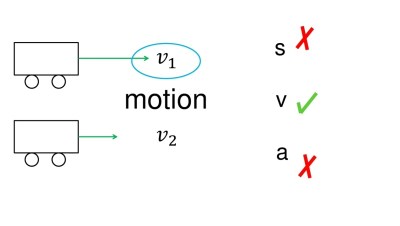
Velocity and acceleration are independent variables. “Whether velocity is relative or not” is not relevant to “whether acceleration is relative or not“.
In other words, you cannot use the value of velocity at a moment to derive the acceleration value at that moment. Fundamentally, it is due to fact that 

…
— Me@2023-08-07 05:56:31 AM
.
.
2023.09.04 Monday (c) All rights reserved by ACHK
Adaptation
.
No movie can contain all the movies. At least, it cannot contain itself.
— Me@2015-10-10 07:37:26 AM
.
.
2023.08.16 Wednesday (c) All rights reserved by ACHK
Adaptation
.
No movie can record its whole “the making of”.
Even two mutual movies [that record each other’s “the making of”] cannot work around this.
— Me@2015-10-19 06:13:58 PM
.
.
2023.07.31 Monday (c) All rights reserved by ACHK
Universal set, 2 | For all, 4.2 | Alfred Tarski, 1.3
.
The universal set is the set that contains everything, including itself.
Since it contains everything, it should be the biggest set. However, according to the power set theorem, for any set A, its power set P(A) has more elements. So the power set of the universal set should have more elements than the universal set. This is the paradox of universal set.
The cause of the paradox is the mixing of language levels. That is exactly what the word “paradox” means. A logical error (dox) due the mixing of the language and its meta-language (para-language).
The cause of the language level mixing is the meaninglessness of the word “everything”. “Everything” (or “all”) is meaningful only if within a context, such as:
All the people in this house.
When you use “everything” without a context, it will include itself, thus the mixing of language levels.
— Me@2015-12-27 02:12:12 PM
— Me@2023-07-11 10:57:17 AM
.
.
2023.07.12 Wednesday (c) All rights reserved by ACHK
But if 
—
.
This is nonsense because:
1. That means it includes also false information.
2. Who can access those pieces of information?
If an observer needs to work to filter true or useful information from “all the information” inside
3. Assume that in a lottery, you have to choose the correct 6 numbers among 49 to win. If you say “number 1 to 49 contains all the 6 numbers that would win” but do not specify which 6, it is useless.
all information ~ no information
— Me@2023.01.28 11:12:46 PM
.
The ONLY information that
— Me@2023.01.29 10:26:54 AM
.
.
2023.01.29 Sunday (c) All rights reserved by ACHK
Meta numbers 2.1 | Zeno’s paradox 5
.

Infinity is not a number. Instead, it is a meta number.
Numbers are for counting things. Infinity cannot be used for counting things. Infinity is for counting natural numbers. It is a number of numbers.
Numbers represent what there are. But infinity cannot do so. Infinity is only meaningful as a potential one.
Infinity and infinitesimal are processes, not states. Numbers are points on the number line. Infinity is not a point, but an arrow pointing to the right.
An infinite set is a set with an infinite number of elements. An infinite set is defined as a set that contains a subset which is as large as the set itself. In other words, the elements of the subset can have one-one correspondence to those of the origin set. The whole can have one-one mapping to the part because it is not a state of finished mappings, but a process.
Processes are meta states. Processes describe how an object changes its states. Processes describe not the states, but the changes.
— Me@2016-06-13 11:43:36 AM
— Me@2023-01-04 10:36:53 PM
.
.
2023.01.05 Thursday (c) All rights reserved by ACHK
No observer can observe and get all the information of the current state of the whole universe.
Since the definition of the “universe” is “everything”, any observer must be part of the universe. Also, in the universe, any observer has at least one thing it cannot observe directly—itself.
Therefore, no observer can observe the whole universe in all details.
— Me@2022.09.30 07:57:46 PM
.
Can a part of a painting represent all the information of the whole?
No.
(Kn: Yes, if excluding itself.)
That is exactly my point.
.
“Yes only if that part does not contain that part itself” is equivalent to “no”.
— Me@2016-08-20 03:30:26 PM
.
.
2022.10.01 Saturday (c) All rights reserved by ACHK
“For all” without range creates infinity, which creates paradoxes.
— Me@2017-02-20 06:09:07 PM
.
.
2021.05.26 Wednesday (c) All rights reserved by ACHK
[guess]
Goodstein’s theorem is an example that sometimes a finite result requires the existence of infinity in its proof.
— Me@2021-05-09 11:06:34 PM
.
Goodstein’s theorem itself assumes that there is an infinite number of natural numbers, so it is not really a finite result.
— Me@2017-02-20 06:16:28 PM
[guess]
.
.
2021.05.09 Sunday (c) All rights reserved by ACHK
For all, 9
.
A problem of universal wave function (universe) is that universe is a relative concept.
Another problem is that wave function is also.
— Me@2017-05-10 05:46:44 PM
— Me@2021-04-09 06:25:07 PM
.
universe ~ 100%
But 100% of what?
— Me@2021-04-09 05:20:23 PM
.
The wave function is expressed in terms of basis state vectors.
So it will have a different form if you choose a different basis.
— Me@2021-04-09 06:29:20 PM
.
.
2021.04.09 Friday (c) All rights reserved by ACHK
When responding to the question “can X create a stone that it cannot lift”, another flawed argument is
X can create the stone that it cannot lift but it chooses not to create it. So there is no stone it cannot lift yet. So X has not failed the omnipotence test.
This argument is wrong.
.
When we ask “can X choose to create a stone that it cannot lift”, we are discussing whether X has an ability. When we discuss ability, it is always about a potential, a possibility.
Y is able to do action B
always means that
“Y does B” is possible,
which is equivalent to
“Y does B” is not contradictory to any logical laws nor physical laws.
“Whether Y has already done B or will do B” is not the point.
.
If we allow such “Y can do B but it chooses not to” argument, then anyone is omnipotent. For example,
Can you fly?
I can fly but I choose not to. So even though you have never seen me flying and will never see me flying, it is not because I cannot fly; it is just because I choose not to.
Can you choose to fly?
I can choose to fly but I choose not to choose to fly.
This type of arguments make the word “can“ meaningless.
— Me@2020-03-30 06:52:58 AM
.
.
2020.04.19 Sunday (c) All rights reserved by ACHK
Please read these 2 posts first:
For all, 3 | Omnipotence
For all, 3.2 | Omnipotence 2
You can find them by searching “omnipotence” using this blog’s search box.
— Me@2020-04-08 03:17:34 PM
.
If X is omnipotent, X can create a stone that it cannot lift. Then X is not omnipotent, because there is a stone it cannot lift. So omnipotence is a self-contradictory concept.
What if we define omnipotence not as “being able to do anything” but as “being able to do anything except logical self-contradictory ones“?
In order words, omnipotence means that being able to do anything logically possible. Omnipotence does not mean that being able to do also logically impossible things.
This re-definition is not useful, because the original meaning of “being omnipotent” already is “being able to do anything except logical self-contradictory ones“.
There is no re-definition needed. You can only say that the re-definition clarifies the original meaning of “being omnipotent”. However, this clarification cannot eliminate the self-contradictory nature of the meaning of “omnipotence” itself. For example, the following argument is wrong.
If X is omnipotent, “X can create a stone that it cannot lift” is self-contradictory because it is contradictory to “X is omnipotent”.
Since “X can create a stone that it cannot lift” is logically impossible, it should not be a requirement of being omnipotent.
This argument is wrong because:
1. “X can create a stone that it cannot lift” is not SELF-contradictory.
2. “X can create a stone that it cannot lift” is not logically impossible, because, for example, even a human being can create an object that he cannot lift. For example, human beings can create a car that no single person can lift.
Then someone might keep arguing that
But if X is omnipotent, “X can create a stone that it cannot lift” means that “X is omnipotent and X can create a stone it cannot lift”, which is logically impossible. So “X cannot create a stone that it cannot lift” does not make X non-omnipotent.
In other words, “whether X can create a stone that it cannot lift” should not be the requirement of the omnipotence test.
The argument is wrong, because what we are questioning is
Can someone X be omnipotent?
or
Is omnipotence logically possible?
.
Remember:
“Being logically possible” means “not self-contradictory”.
.
If “X is omnipotent” is true,
then “X can create a stone that it cannot lift” is true.
Then “there is a stone that X cannot lift” is true.
Then “X is not omnipotent” is true.
But “X is not omnipotent” is contradictory to the assumption “X is omnipotent“.
So “X is omnipotent” is self-contradictory.
So the question “whether an entity X can be omnipotent and create a stone that it cannot lift” is illegitimate because “an entity X is omnipotent” is logically impossible in the first place. It should not be placed within a question.
Note that our omnipotent test is
“whether an entity X can create a stone that it cannot lift”,
NOT “whether an entity X can be omnipotent and create a stone that it cannot lift”,
NOR “whether an omnipotent entity X can create a stone that it cannot lift”.
— Me@2020-03-30 06:52:58 AM
.
.
2020.04.10 Friday (c) All rights reserved by ACHK
如果你在洗完一千萬次牌後,發現原本排列 A 還未重新出現,然後問:
「
現在開始,再洗多一千萬次牌的話,至少一次洗到原本排列 A 的機會率是多少?
」
答案仍然會是
但是,如果你在洗完一千萬次牌後,發現原本排列 A 還未重新出現時,問_另一個_問題的話,答案就會截然不同:
「
剛才,我洗了一千萬之牌,仍然回不到 A。
我決定,現在開始再洗牌,多不只一千萬次,而是二千萬次牌的話,至少一次洗到原本排列 A 的機會率是多少?
」
答案將會是
.
(問:那我不需要在「洗完一千萬次牌後,發現原本排列 A 還未重新出現時」,才問_另一個_問題,因為,事先透過運算,就已經知道,那機會十分之微。
反而,我可以索性一開始,在一次牌都未洗的時候就問:
「
我決定,現在開始洗牌二千萬次,至少一次洗到原本排列 A 的機會率是多少?
」)
無錯。機會再生論,在同情地理解的情況下,就正正是這個意思:
「
如果你在現在,一次牌都未洗時,打算將會洗牌的次數越多,相對於現在的你而言,至少一次洗到原本排列 A 的機會率,就會越高。
」
例如,你會發現,如果在一次牌都未洗的時候問:
「
洗牌
次,起碼一次洗到原本排列 A 的機會率是多少?
」
答案將會是非常接近一:
.
(問:為什麼要「相對於現在的你而言」?)
.
因為,當你洗完一次牌,知道結果後,由於你掌握的資料已經不同,對應的機會率,亦會不同。
在洗了一次牌後,如果已知結果不是排列 A,餘下的洗牌次數中,起碼一次洗到原本排列 A 的機會率,再不是

而是

如果不清楚這一點,就會引起剛才的誤會:
「
(問:你的意思是,即使我洗了(例如)一千萬牌,仍然得不回原本的排列 A,只要我洗多一千萬次,得回 A 的機會,就會大一點?)
不是。
正正是為了避免這個誤會,…
」
所以,千萬不要說:
「
只要不斷洗牌,回到原本排列 A 的機會,就會越來越高。
」
那是_錯_的!
.
機會再生論,在同情地理解的情況下,正確的意思是:
「
如果你在現在,一次牌都未洗時,打算將會洗牌的次數越多,相對於現在的你而言,至少有一次洗到原本排列 A 的機會率,就會越高。
」
.
當然,洗牌只是比喻。而這個比喻,想帶出的理論是,宇宙的任何狀態,都可以看成眾多粒子的不同組合排列。
任何一個組合排列 A,假設有極長的時間,去作極多次的變動,只要那「極多次」足夠多,相對於現在的你而言,那「極多次」之中,「至少有一次回到排列 A」 的機會率,會極度高。
而你的存在,則只是宇宙的其中一個狀態。
縱使人必有一死,如果在你終後,宇宙還有極長的時間,(相對於現在的你,或者另外指定不變的某一刻而言),你會再生重來的機會率,會極度接近,百分之一百。
.
「機遇再生論」在同情地理解下,可以有這個意思。
但是,「機遇再生論」在這個意思下,正不正確,則是另一個問題。
— Me@2018-03-20 02:26:35 PM
.
.
2018.03.20 Tuesday (c) All rights reserved by ACHK
…
同理,在一次牌都未洗的時候,問:
如果洗牌 m 次,起碼一次洗到原本排列 A 的機會率是多少?
答案將會是
留意,


例如,你將會連續洗一千萬次牌(m = 10,000,000),起碼有一次,回到原本排列 A 的機會是:
你用一般手提計算機的話,它會給你 0。你用電腦的話,它會給你
.
但是,你亦毋須完全悲觀,因為只要再留意,你亦會發現,只要 m 越大,
亦即是話,例如,
「(在一次牌都未洗的時候問)洗牌 二千萬 次,起碼一次洗到原本排列 A 的機會率」
會大過
「(在一次牌都未洗的時候問)洗牌 一千萬 次,起碼一次洗到原本排列 A 的機會率」。
.
那樣,如果有無限的時間,容許不停地洗牌,只要在一次牌都未洗的時候,問機會率
例如,如果設定次數 m 為一千萬的兩倍,你會發現

大過原本的數值 
那樣,你就將 m 設為更大的數值,例如一千萬的一千萬倍(
雖然
但是,你也不用完全氣餒,因為,你可以不斷再試,越來越大的 m 數值。再例如,你可以試,一千萬的三次方、一千萬的四次方、一千萬的五次方等,如此類推。
…
.
你會發現,如果在一次牌都未洗的時候問:
洗牌
答案將會是非常接近一:
.
(問:你的意思是,即使我洗了(例如)一千萬牌,仍然得不回原本的排列 A,只要我洗多一千萬次,得回 A 的機會,就會大一點?)
.
不是。
正正是為了避免這個誤會,我在以上的論述中,不厭其煩地重複著
「
如果在一次牌都未洗的時候問…
」
你留意我剛才所講:
「
由於,機會率只是與未知的事情有關,或者說,已知的事件,發生的機會率必為 1;所以,如果發生了第一次洗牌,而你又知道其結果的情況下,問「如果再洗一次牌,『是 A』和『不是 A』的機會,分別是多少」,第二次洗牌各個可能結果,發生的機會率,與第一次洗牌的結果無關。
第二次洗牌結果為組合 A 的機會率,仍然是
」
同理:
剛才我們運算過,(在一次牌都未洗的時候問)洗牌 一千萬 次,起碼一次洗到原本排列 A 的機會率是
如果你在洗完一千萬次牌後,發現原本排列 A 還未重新出現,然後問:
「
現在開始,再洗多一千萬次牌的話,至少一次洗到原本排列 A 的機會率是多少?
」
答案仍然會是
但是,如果你在洗完一千萬次牌後,發現原本排列 A 還未重新出現時,問_另一個_問題的話,答案就會截然不同:
「
剛才,我洗了一千萬之牌,仍然回不到 A。
我決定,現在開始再洗牌,多不只一千萬次,而是二千萬次牌的話,至少一次洗到原本排列 A 的機會率是多少?
」
答案將會是
— Me@2018-02-23 08:21:52 PM
.
.
2018.02.25 Sunday (c) All rights reserved by ACHK










 Physics Town
You must be logged in to post a comment.