Past papers

“Past papers” means “past HKCEE/HKAL examination papers”. The topic is for Hong Kong students who are facing the HKCEE or HKAL. But the general principles can also be used for tackling other public examinations.

.

做 pastpaper 有兩種方法:

.

1. 按年份做:例如今天做 1990 年的考試題目,明天做 1991 年的考試題目,如此類推。

每次一定要計時計分。即是要限時完成,完成後要為自己批改,計分數。然後做改正。

這方法有多個好處:

  • 每次計時間計分數,相當於每次也是模擬考試。每次除了考驗自己,對該科的學識外,同時也訓練自己的,心理質素、時間管理、檢驗答案 等技巧。

  • 每次也知道自己的分數,可以客觀知道,自己的實力,不會有無謂的自卑,或者不切實際的期望。每天有一個明確分數,可以見到自己的進步。這樣就可以避免,不必要的不安情緒。

  • 因為每年的 pastpaper 都包含了,幾乎所有課題 (topics)。這樣,可以避免「溫了一個 topic 後,會忘記之前 topic」 的情況:不斷按年份做 pastpaper,自然不斷反芻所有 topic,記得所有 topic。

.

2. 按 topic 做:有兩種情況,應該按 topic 練 pastpaper:

  • 有新學的 topic

  • 有特別弱的 topic

按 topic 做 pastpaper 時,應該先做 MC (Multiple Choices)。MC 可以先幫你,釐清概念 (concepts):

MC 不像 LQ (Long questions)。每題 LQ 都分成幾 part,逐步教你完成整題題目。即使你不完全明白該題目,也可以拿到一定的分數。但是,MC 是沒有步驟提示的。而且,同一題MC 的各個選擇,都相當接近,concept 稍為不清晰,一分都得不到。

每個 topic/chapter 其實來來去去考的,都只是幾個主要的,concept 或者技巧。對初學者來說,要知道該幾個 concept,或技巧是什麼。並不容易。但是,當同類(同一 topic) 的MC放在一起時,由於它們會用不同的字眼,不斷地重複問,同樣的幾個 concept,即使對初學者而言,都會對那幾個主要concept/技巧,有較深刻的印象。

記住:按 topic 做 pastpaper 時,先做 MC,再做 LQ。

.

兩種方法都要使用。兩種方法相輔相成:按年份做,自然知道自己, 在哪些 topic 特別弱,從而針對該幾個 topic,專練該幾個 topic 的 pastpaper。

— Me@2010.01.10

— Me@2010.05.21

.

.

2010.05.21 Friday (c) All rights reserved by ACHK
Timetable for high school study

In preparation for the HKCEE, HKAL, or other public examinations, it is advisable to dedicate 5 to 7 hours each day to your studies. Assuming you are focusing on 8 subjects:

  • Chinese
  • English
  • General Mathematics (G.Maths)
  • Additional Mathematics (A.Maths)
  • Physics
  • Chemistry
  • Biology
  • Accounting

You may organize your timetable as follows:

Day Monday Tuesday Wednesday Thursday Friday
3 hours Maths A.Maths Physics G.Maths A.Maths
1 hour Chinese English Chinese English Chinese
3 hours Chemistry Biology Accounting Chemistry Biology

Timetable Design Details

  • Subject Categories:
    • The first row is designated for non-language subjects.
    • The second row is reserved for language subjects.
    • The third row comprises other non-language subjects.

Principles of the Timetable Design

  1. Diverse Subject Nature:
    Each day, the first and second non-language subjects should differ in nature. For instance, the first row should consist of mathematical subjects (G.Maths, A.Maths, Physics), while the third row should contain non-mathematical subjects (Chemistry, Biology, Accounting). This approach ensures that you engage different areas of the brain, preventing fatigue from studying similar subjects consecutively.

  2. Cognitive Buffer:
    The language subject placed in the middle serves as a buffer, providing your brain with a necessary respite.

  3. Automated Structure:
    The timetable is designed to be automatic, eliminating the need for daily adjustments. The sequence for each row is cyclical:

    • Mathematical Subjects: G.Maths → A.Maths → Physics → G.Maths → A.Maths → …
    • Language Subjects: Chinese → English → Chinese → English → Chinese → …
    • Non-Mathematical Subjects: Chemistry → Biology → Accounting → Chemistry → Biology → Accounting …
      .
  4. Study Rhythm:
    Studying each subject should resemble a marathon; there will be times of intensity and times of ease, but it is crucial to maintain momentum. Halting your studies can make it challenging to resume. This timetable ensures that no subject is neglected for too long.

Feel free to personalize your timetable according to your needs. For instance, if finding 7 hours in a day proves difficult, you can adjust the structure from (3 hours + 1 hour + 3 hours) to (2 hours + 1 hour + 2 hours).

— Me@2024-09-25 11:38:41 AM

.

.

2010.01.08 Friday (c) All rights reserved by ACHK

Encyclopedia Galactica

我的百科全書

自小(中三)的夢想是學會所有的知識,

所以對”百科全書”這個概念很有興趣.

中四時, 閱讀Bill Gates的The Road Ahead.

書中提到<>, 售價超過港幣萬多元.

而 Microsoft Encarta 百科全書CD-ROM只需數百元.

我當時已經覺得很神奇.

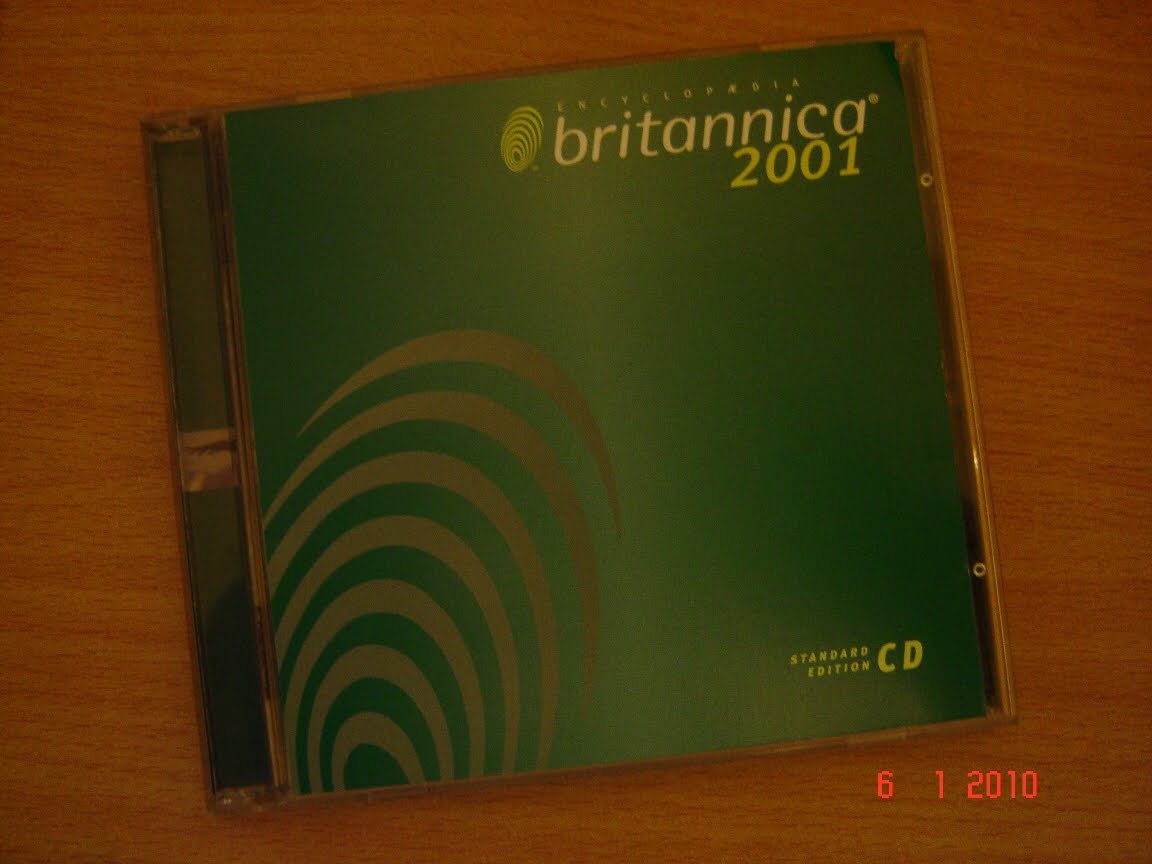
在2001年, 我花二百多元買了<>的CD-ROM.

我花了不少時間閱讀. 印象最深刻的內容是

當年Windows 95宣傳攻勢的成效大到有人為了用Windows 95而第一次買電腦.

在2004年, 我發現了<>. 它竟然是免費的.

而且它還有很多傳統百科全書不可能有的資料,

例如卡通人物的傳記.

新科技和創意已經將人類帶進了比科幻小說更加神奇的年代.

— Me@2010.01.06

2010.01.07 Thursday (c) ACHK

Bootstrapping

Bootstrapping (computing), starting a computer or building complex software tools by loading or building simple tools that allow the creation of the more complex tools. Shortened to booting to describe the process of starting up a computer.

Bootstrapping (compilers), writing a compiler for a computer language using the language itself after a first highly simplified compiler is written in another language.

— Wikipedia

2010.01.05 Tuesday ACHK

PLT Scheme

There is also PLT Scheme, which uses an incompatible branch of wxWindows (version 1), created in 1995. The toolkit is deeply integrated with the language run-time (garbage collection, resource administration) unlike in other languages, which simply provide a library binding.

— Wikipedia on wxWidgets

2009.12.29 Tuesday ACHK

4.3 Lisp

4.3.2 Have a habit of doing good work in your current job, whether it is your favourite

In order to get your favourite job, you have to get used to doing good work in your current job. So, even if you choose to quit your current job later, you know that you are quitting not because you want to give up, but because you have a better job or a better chance.

.

.

2008.07.09 Wednesday \copyright CHK^2

4.3 Paul Graham

LISP writer Paul Graham has written an essay called “How to do what you love”, giving some practical advice.

There are three main points, for me, in the essay:

  1. Do not feel guilty about not doing some boring jobs.

  2. Have a habit of doing good work in your current job, whether it is your favourite.

  3. Always produce in your favourite area, whether it is your current job.

.

4.3.1 Do not feel guilty about not doing some boring jobs

Sometimes, I faced some boring work. When I wanted to get rid of it, I had a thought: “Someone has to do it anyway. If I do not do it, someone else will have to. That means I am wasting other people’s time. I will feel guilty about that.”

Now I do not think in that way. If I choose not to do a job, the number of people available for that job will decrease. That means the price to get a person to do the job will rise. Then the person who has chosen that job will get a higher salary. So, instead of wasting his time, I make him earn a higher salary.

If a job is so boring that it is virtually impossible to get any human being to do it, people will create a machine to get the job done.

.

.

2008.06.30 Monday \copyright CHK^2