4. Some units of time are better than others:
… different time scales are associated with different “effective” laws of physics …
— Ten new things modern physics has learned about time
— Lubos Motl
2011.09.10 Saturday ACHK

4. Some units of time are better than others:
… different time scales are associated with different “effective” laws of physics …
— Ten new things modern physics has learned about time
— Lubos Motl
2011.09.10 Saturday ACHK
Ideal clock 3.2 | 時間定義 13.2
這段改編自 2010 年 3 月 6 日的對話。
(安:但是,我又可以追問,你的「理想時鐘」究竟在量度什麼?)
我不一定要答「時間」。我有其他恰當的答法。
「時間」就是「因果網絡」。「原因」就是「先決條件」。例如,「事件乙的原因是事件甲」的意思是,甲是乙的「先決條件」。沒有甲,就不會有乙。所以我們說,甲就在乙的「過去」;或者說,甲「先於」乙發生。
這只處理了「因果網絡」中,事件發生的先後次序。我們並沒有討論過「因果距離」。「因果距離」就是日常所講的「時間長度」:原因甲和結果乙,在時間上相差多少。所以,對於你的問題,我可以這樣答:
「理想時鐘」所量度的,是「因果距離」。
(安:但是,你說「因果距離」即是兩件事件之間,時間的長度。那又用了「時間」這個概念,來答我的問題。)
你誤會了。我並不是用「時間長度」來定義「因果距離」。相反,我是指這兒的「因果距離」,對應於一般人所講的「時間長度」。換句話說,我反而是用「因果距離」來定義「時間長度」。而「因果距離」本身,我還沒有給予定義。
(安:那你又如何描述或者定義「因果距離」呢?)
— Me@2011.09.10
2011.09.10 Saturday (c) All rights reserved by ACHK
Time in physics, 2
3. The future doesn’t exist at the present regardless of any definitions:
… as long as we admit that the experimeters have a free will, all other quantum objects have to have a free will as well so their outcomes can’t be functions of the data (hypothetical “hidden variables”) that exist in the past light cone.
— Ten new things modern physics has learned about time
— Lubos Motl
2011.09.09 Friday ACHK
Time is a part of the measuring system used
to sequence events,
to compare the durations of events
and the intervals between them, and
to quantify rates of change such as the motions of objects.
— Wikipedia on Time
2011.09.08 Thursday ACHK
Ideal clock 3 | 時間定義 13
這段改編自 2010 年 3 月 6 日的對話。
「理想時鐘」的恰當定義是,讀數和最多其他時鐘吻合的鐘。「快慢」可以相對於「理想時鐘」的讀數來描述。
(安:但是,這到頭來也要用「時間」這個概念來定義「快慢」。
你對「時間」的講法,最有趣的地方是,彷彿可以完全刪除「時間」這個詞語,而又可以完全描述,平時要用「時間」才能講到的東西。「速度」和「時間」有關,所以我在想,有沒有可能不用「時間」,也可以定義到「快慢」呢?)
我剛才並沒有用「時間」來定義「快慢」。我用具體的「理想時鐘讀數」來定義「快慢」,其實已避開了「時間」這個抽象概念。
(安:但是,我又可以追問,你的「理想時鐘」究竟在量度什麼?)
我不一定要答「時間」。我有其他恰當的答法。
— Me@2011.09.07
2011.09.07 Wednesday (c) All rights reserved by ACHK
1. Time is just another, imaginary dimension of space
2. The question about the existence of the past depends on our definition of existence
3. The future doesn’t exist at the present regardless of any definitions
4. Some units of time are better than others
5. Among conserved quantities, time has a special relationship with energy
6. All physical systems with many degrees of freedom inevitably possess a future-time asymmetry, the so-called logical arrow of time
7. The logical arrow of time implies the asymmetry of all macroscopic processes, i.e. the thermodynamic arrow of time and other arrows of time
8. An exact time-reversing symmetry which holds in Nature is called CPT and only applies to the microscopic laws
9. To properly understand the psychological perception of time, one needs to analyze the functions of the brain
10. When times become as short as the Planck time, \(10^{-43}\) seconds, time develops some wholly unfamiliar properties
— Ten new things modern physics has learned about time
— Lubos Motl
2011.09.06 Tuesday ACHK
PageRank 6 | Ideal clock 2.2 | 時間定義 12.2
(安:如果不容許提及「時間」這個概念呢?那如何描述「快慢」?)
「快慢」可以相對於「理想時鐘」的讀數來描述。你問這個問題,其實就相當於問,何謂「理想時鐘」?
麻煩的地方是,如果我答「『理想時鐘』就是宇宙中最『準確』的計時器」的話,你可以追問,你怎樣知道,哪一個時鐘比較準確呢?
假設,我有兩個計時器,時鐘 A 和 時鐘 B。想知哪一個較準的話,你可以用一個比它們都更加準的「時鐘 C」,來跟它們比較。A 和 B 之中,哪一個的讀數比較接近 C,就是較為準確的時鐘。但是,你又可以追問,你怎樣可以事先知道,時鐘 C 比 A 或者 B,都較為準確?
你可以用一個比 ABC 都更加準的「時鐘 D」,來跟它們比較。然後,你再可以追問,你怎樣可以事先知道,時鐘 D 比 A、B 或者 C,都較為準確?
— Me@2011.09.03
2011.09.03 Saturday (c) All rights reserved by ACHK
時間定義 12
(安:如何定義「快」和「慢」?)
在同一個長度的時段中,改變得較多的為之「快」。
(安:如果不容許提及「時間」這個概念呢?那如何描述「快慢」?)
— Me@2011.09.01
2011.09.01 Thursday (c) All rights reserved by ACHK
Cumulative concept of time, 11
「夕陽無限好 只是近黃昏」是一句重言句(tautology)。
例如,如果我每個月的收入都多於支出的話,我臨過身前的財產,一定會是我一生中最多的。
— Me@2011.08.21
— Me@2011.09.01
2011.09.01 Thursday (c) All rights reserved by ACHK
時光機 3.1.2
Time is other things, 2
.
Let A = your blog and B, C = other blogs.
Also, let the indices 1 = yesterday, 2 = today, and 3 = tomorrow.
.
Don’t update your blog until tomorrow:
B1 –> B2 –> B3
A1 –> A2 –> A2
C1 –> C2 –> C3
As long as you keep your today’s blog (A2) from changing, it goes to tomorrow (B3, C3).
.
Don’t update your blog (A2) and revert other blogs (B2, C2) to their yesterday’s versions (B1, C1):
B1 –> B2 –> B1
A1 –> A2 –> A2
C1 –> C2 –> C1
Then, A2 goes back to yesterday (B1, C1).
However, the energy required for doing so is too much.
— Me@2011.08.25
.
.
2011.08.29 Monday (c) All rights reserved by ACHK
Time is other things.
Subjective time (or personal time) refers to your feelings on other things.
When you say “time is faster”, you mean other things are faster.
When you say “time is flowing”, you mean even if you do not change, other things keep changing.
When you say “time stops”, you mean other things stop changing.
— Me@2011.08.22
— Me@2011.08.25
.
.
2011.08.25 Thursday (c) All rights reserved by ACHK
時間定義 11.4
現在任何一件事的發生,都不只建基於過去的某一件事。「Windows XP 的存在」並不是「Windows Vista 存在」的唯一先決條件。 Windows Vista 除了建基於 Windows XP 的源程式碼之外,還有不少外加元素。所以,把它們標籤為「同一個程式」的兩個版本,並非因為必然,而是為了商業上的便利,讓 Windows Vista 可以承繼 Windows XP 在市場上的身份。
試想想,如果 Microsoft(Windows 的製作公司)不把 Windows Vista 叫做「Windows Vista」,而把它叫做「Doors Vista」的話,後果會是怎麼樣? Microsoft 會損失慘重: 大眾根本不知道「Doors Vista」是什麼,哪會有人敢購買?
把 Windows Vista 和 Windows XP 標籤為同一個程式的兩個版本,尚算「正常」,因為 Windows Vista 的確是建基於 Windows XP。至起碼,Windows Vista 有運用和修改過大量 Windows XP 的源程式碼。但是,有時候,會有一些「反常」的標籤出現。沒有關係的兩個程式,由於起了相似的名字,令人誤以為它們是同一個程式的兩個版本。看看這條時間線:
Windows 95 –> Windows 98 –> Windows 2000 –> Windows XP –> …
驟眼看來,有部分人以為, Windows 2000 是 Windows 98 的後續版本。實情是,它們除了外表介面相似以外,就幾乎沒有任何關係。如果不理外表和名字,只看它們的源程式碼的話,你會發覺,它們是沒有「血緣關係」的。我估計,它們只有少於 1% 的源程式碼是相同的,因為它們根本來自兩個不同的程式系列(Windows 9x 系 和 Windows NT 系)。正正是因為那樣,有部分在 Windows 98 運行到的電腦遊戲程式,並不能在 Windows 2000 上存活。
真正的「族譜」應該是:
Windows 9x
* Windows 4.0 (Windows 95) –> Windows 4.1 (Windows 98) –> Windows 4.9 (Windows Me)
Windows NT
* Windows NT 3.51 –> Windows NT 4.0 –> Windows NT 5.0 (Windows 2000) –> Windows NT 5.1 (Windows XP)
— Me@2011.08.24
2011.08.24 Wednesday (c) All rights reserved by ACHK
We do not flow in time, for we are part of (objective) time, the causal network.
When you say “I am flowing in time”, what you really mean is that even if you do not change, other things keep changing.
When discussing objective time, you should not separate yourself from other objects of the causal universe.
— Me@2011.08.22
.
.
2011.08.23 Tuesday (c) All rights reserved by ACHK
時光機 3
Cumulative concept of time, 10
You can travel to the future since your future-self contains your present-self:
you travel to the future as long as you, somehow, do not change your present-self.
However, you cannot travel to the past, because by definition, your past-self does not contain your present-self:
your present-self is neither part of the past, nor part of your past-self.
— Me@2011.08.20
2011.08.21 Sunday (c) All rights reserved by ACHK
Cumulative concept of time, 9
一般人的「時間觀」是錯的。他們以為一日的時間只有一日。他們以為一日的時間只有一日的資源。他們以為每一日都是平等的。
為什麼這類想法是錯的呢?
舉例來說,假設我十天前開始寫網誌,而我每日寫一篇文章。那樣,我每日的網誌,並不是只有一篇文章。我每日的網誌,並不是只有當天的那一篇文章。
我昨日的網誌,並不是只有昨日的文章。我今日的網誌,並不是只有今日的文章。我明日的網誌,並不是只有明日的文章。
實情是,我昨日的網誌,有十篇文章。我今日的網誌,有十一篇文章。我明日的網誌,有十二篇文章。
我每日的網誌,都包含了當天和之前所寫的所有文章。
(安:正正是因為這樣,透過「時間旅行」回到過去,從而改變歷史,是邏輯上不可能的。)
— Me@2011.08.20
2011.08.20 Saturday (c) All rights reserved by ACHK
Free will, 7
The choices are few, but more than one,
unless the wavefunction is at an eigenstate.
— Me@2011.08.17
2011.08.17 Wednesday (c) All rights reserved by ACHK
時間定義 11.3
我的「時間標籤論」是指,例如 Windows XP 和 Windows Vista 是應該被視為同一個程式的兩個版本,還是兩個不同的程式,我們有一定的自由度。但是,「時間標籤論」暫時仍未能解決「記憶問題」:既然 Windows Vista 有 Windows XP 的記憶,為何你仍然堅持,我們有自由度把它們標籤為兩個不同的程式呢?
我的「時間標籤論」要完備的話,就一定要修正這個漏洞。但是,我暫時想不到辦法。你有何高見?
我突然想通了:那其實即是一個「因果問題」。根據我們之前的講法,「原因」即是「先決條件」。以上所講,「時間標籤論」的漏洞,其實就即是以下的質疑:
Windows Vista 是建基於 Windows XP 編寫而成的。Windows XP 是 Windows Vista 的先決條件。沒有 Windows XP,就沒有 Windows Vista。所以,我們應該把它們標籤為同一個程式的兩個版本。Windows XP 應該被視為 Windows Vista 的「過去」。我們沒有權力,或者自由度,把它們標籤為兩個不同的程式。
對於這個質疑,我的反駁是,Windows Vista 除了建基於 Windows XP 的源程式碼之外,還有不少外加元素。而那些外加元素,是來自於 Windows XP 以外的源程式碼的。試想想,Windows Vista 有很多內置程式,是在 Windows XP 中,從來沒有出現過的。所以,Windows Vista 之所以存在的先決條件,並不只是有 Windows XP 一個。換句話說,除了 Windows XP 外,Windows Vista 還有其他的「過去」。
假設,總體而言,Windows Vista 建基於 Windows XP、程式甲、程式乙 和 程式丙。如果你質疑我「為何有你自由度把 Windows XP 和 Windows Vista 標籤為兩個不同程式」的話,我亦可以質疑你,為何有你自由度把 Windows XP 和 Windows Vista 標籤為同一個程式的兩個版本?還有,我可以再質疑你,為何你不把「程式甲」和 Windows Vista 標籤為同一個程式的兩個版本?
要化解「時間標籤論」的「記憶問題」,我們要留意,Windows Vista 除了有 Windows XP 的記憶外,還會有 Windows XP 以外的記憶。正如「2010 安」除了有「2005 安」的記憶外,還會有其他人的記憶。例如,「2010 安」在 2010 年之前閱讀過 愛因斯坦 的自傳的話,「2010 安」就會有 愛因斯坦 的部分記憶。又例如,「2010 安」在 2010 年之前跟過「老師甲」學習過唱歌的話,「2010 安」就會有 老師甲 的唱歌技巧記憶。
— Me@2011.08.16
2011.08.16 Tuesday (c) All rights reserved by ACHK
Number is for synchronizing the bigger-smaller concept among more than two people.
Time is for synchronizing the earlier-later concept among more than two people.
Money is for synchronizing the more-valuable/less-valuable concept among more than two people.
— Me@2011.08.08
2011.08.14 Sunday (c) All rights reserved by ACHK
Windows 2.2 | 時間定義 11.2
究竟應該把「2000安」、「2005安」和「2010安」看成三個不同的人,用不同的名字,還是把他們看成同一個人的三個不同「時間版本」,用同一個名字呢?
那要視乎情況而定:看看哪一種標籤方法,最適合個人生活,最方便社會運作。
究竟應該把 Windows XP、Windows Vista 和 Windows 7 看成三個不同的程式,用不同的名字(XP、Vista 和 7),還是把他們看成同一個程式的三個不同版本,用同一個名字,都叫做「Windows」呢?
那沒有一定的答案:一方面,不是完全任意;另一方面,我們又有一定的自由度。
但是,如果我們選擇把「2005安」和「2010安」看成兩個不同的人的話,你怎樣可以解釋,為何「2010安」會有「2005安」的記憶?既然他們是不同的人,就不應會有對方的記憶。
對應於 Windows 例子的類似問題是:如果我們選擇把 Windows Vista 和 Windows 7 看成兩個不同的程式的話,你怎樣可以解釋,為何 Windows 7 有部分程式碼,會與 Windows Vista 的相同?
還有,即使是不相同的部分,有很大程度上,都是建基於 Windows Vista 的:由原本在 Windows Vista 的源程式碼修改加工而成。既然 Windows Vista 和 Windows 7 是不同的程式,Windows 7 就不應會有 Windows Vista 的記憶。
我的「時間標籤論」是指,例如 Windows Vista 和 Windows 7 是應該被視為同一個程式的兩個版本,還是兩個不同的程式,我們有一定的自由度。但是,「時間標籤論」暫時仍未能解決「記憶問題」:既然 Windows 7 有 Windows Vista 的記憶,為何你仍然堅持,我們有自由度把它們標籤為兩個不同的程式呢?
我的「時間標籤論」要完備的話,就一定要修正這個漏洞。但是,我暫時想不到辦法。你有何高見?
— Me@2011.08.13
2011.08.13 Saturday (c) All rights reserved by ACHK
Structure and Interpretation of Computer Programs
程式時間 0
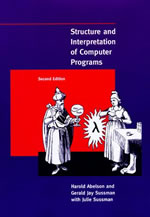
You can read this book from the book’s official website. I recommend the section The Nature of Time in Concurrent Systems.
— Me@2011.08.12
2011.08.12 Friday ACHK
 Physics Town
You must be logged in to post a comment.